Monthly Archives: March 2023


Evacuation

In the event of an emergency, you may be instructed to Evacuate. This is a protective action order that may be issued in order to keep you safe from a potentially hazardous environment outdoors.

If you are told to Evacuate, follow the instructions below and listen to a local radio or television station for additional information.

  • If Time Allows:
    1. Unplug all electrical equipment, with the exception of refrigerators and freezers. (If there is a danger of flooding, unplug refrigerators and freezers.)
    2. If your home has been damaged from severe weather or other disaster, shut off your water, gas and electricity before leaving.
    3. Take medications that may be needed within a 24-48 hour period.
    4. Check with your neighbors to see if they need a ride.
  • Before you leave your home, tie a white cloth on your front door or mailbox to let emergency workers know that you have evacuated your home.
  • Take your Disaster Supply Kit, if you do not have an Emergency Kit in your vehicle.
  • Take your pets with you with plenty of food and water for them. (Pets may not be permitted in public shelters.)
  • Listen to your radio for additional instructions.
  • Follow recommended evacuation routes. Do not attempt to take shortcuts as they may be blocked.
  • Be alert for road hazards, such as washed-out roads or bridges or downed power lines.
  • Call an emergency contact to inform them of the situation and give them your location.

For more on evacuations, please visit https://www.ready.gov/evacuation

For Browns Ferry evacuation information, please visit Evacuation – Limestone County, AL EMA (limestonecountyema-al.gov)


Disaster Supply Kit


You may need to survive on your own after a disaster. Basic services such as electricity, gas, water, sewage treatment, and telephones may be cut off for days, or even weeks. A Disaster Supply Kit for your home is a collection of basic items that members of a household may need in the event of a disaster.

6 Basics for Your Disaster Supply Kit include:

  • Water
  • Food
  • First aid kit
  • Portable, battery-operated radio or television and extra batteries
  • Flashlight and extra batteries
  • Manual can opener

Foods For Your Supply Kit

  • Ready-to-eat canned meats, fruits and vegetables
  • Canned juices and powdered milk
  • Sugar, salt, pepper
  • High energy foods–peanut butter, granola bars, trail mix
  • Vitamins
  • Foods for persons with special dietary needs

Special Items for Babies

  • Formula
  • Diapers
  • Bottles
  • Pacifiers
  • Powdered milk
  • Medications

Special Items for Adults

  • Prescription drugs
  • Heart and high blood pressure medication
  • Insulin
  • Denture needs
  • Contact lenses and supplies
  • Extra eye glasses
  • Hearing aid batteries

Sanitation Supplies

  • Toilet paper
  • Soap, liquid detergent
  • Feminine supplies
  • Personal hygiene items
  • Plastic garbage bags, ties (for personal sanitation uses)
  • Plastic bucket with tight lid
  • Disinfectant
  • Household chlorine bleach

Tools for Supply Kit

  • Paper cups & plates and plastic utensils
  • Cash, including some change
  • Fire extinguisher
  • Matches in a waterproof container
  • Plastic storage containers
  • Signal flare
  • Whistle
  • Shut-off wrench, to turn off household gas and water
  • Plastic sheeting

Important Family Documents

Keep these records in a waterproof, portable container.

  • Will, insurance policies, contracts, deeds, stocks and bonds
  • Photo IDs, passports, social security cards, immunization records
  • Bank account numbers
  • Credit card account numbers and companies
  • Inventory of valuable household goods, important telephone numbers
  • Family records (birth, marriage, death certificates)
  • Photocopies of credit and identification cards

Disaster Supply Kit Maintenance

Just as important as putting your supplies together is maintaining them so they are safe to use when needed. Here are some tips to keep your supplies ready and in good condition:

  • Keep canned foods in a dry place where the temperature is cool.
  • Store boxed food in tightly closed plastic or metal containers to protect from pests and to extend its shelf life.
  • Throw out any canned good that becomes swollen, dented, or corroded.
  • Use foods before they go bad, and replace them with fresh supplies.
  • Place new items at the back of the storage area and older ones in the front.
  • Change stored food and water supplies every six months. Be sure to write the date you store it on all containers.
  • Re-think your needs every year and update your kit as your family needs change.
  • Keep items in airtight plastic bags and put your entire disaster supplies kit in one or two easy-to-carry containers, such as an unused trashcan, camping backpack, or duffel bag.

For additional information, visit https://www.ready.gov/kit


Winter Weather & Extreme Cold


Heavy snowfall and extreme cold can immobilize an entire region. Even areas that normally experience mild winters can be hit with a major snowstorm or extreme cold. Winter storms can result in flooding, storm surge, closed highways, blocked roads, downed power lines and hypothermia. Specific information on what to do Before, During and After a Winter Storm or Extreme Cold Temperatures can be found at: www.ready.gov/winter-weather.

Know Your Winter Storm and Extreme Cold Terms. Familiarize yourself with these terms to help identify a winter storm hazard:

Winter Storm Watch

Alerts the public to the possibility of a blizzard, heavy snow, heavy freezing rain, or heavy sleet. Winter Storm Watches are usually issued 12 to 48 hours before the beginning of a Winter Storm. Tune in to NOAA Weather Radio, commercial radio, or television for more information.

Winter Storm Warning

Issued when hazardous winter weather in the form of heavy snow, heavy freezing rain, or heavy sleet is imminent or occurring. Winter Storm Warnings are usually issued 12 to 24 hours before the event is expected to begin.

Winter Storm Outlook

Issued prior to a Winter Storm Watch. The Outlook is given when forecasters believe winter storm conditions are possible and are usually issued 3 to 5 days in advance of a winter storm.

Winter Weather Advisories

Issued for accumulations of snow, freezing rain, freezing drizzle, and sleet which will cause significant inconveniences and, if caution is not exercised, could lead to life-threatening situations.

Frost/Freeze Warning
Below freezing temperatures are expected.

Sleet

Rain drops that freeze into ice pellets before reaching the ground. Sleet usually bounces when hitting a surface and does not stick to objects. However, it can accumulate like snow and cause a hazard to motorists.

Freezing Rain

Rain that falls onto a surface with a temperature below freezing. This causes it to freeze to surfaces, such as trees, cars, and roads, forming a coating or glaze of ice. Even small accumulations of ice can cause a significant hazard.

Wind Chill Warning

Issued when wind chill temperatures are expected to be hazardous to life within several minutes of exposure.

Wind Chill Advisory

Issued when wind chill temperatures are expected to be a significant inconvenience to life with prolonged exposure, and, if caution is not exercised, could lead to hazardous exposure.

Blizzard Warning

Issued for sustained or gusty winds of 35 mph or more, and falling or blowing snow creating visibilities at or below ¼ mile; these conditions should persist for at least three hours.

Snow Flurries

Light snow falling for short durations. No accumulation or light dusting is all that is expected.

Snow Showers

Snow falling at varying intensities for brief periods of time. Some accumulation is possible.

Snow Squalls

Brief, intense snow showers accompanied by strong, gusty winds. Accumulation may be significant. Snow squalls are best known in the Great Lakes region.

Blowing Snow

Wind-driven snow that reduces visibility and causes significant drifting. Blowing snow may be snow that is falling and/or loose snow on the ground picked up by the wind.


Wildfire


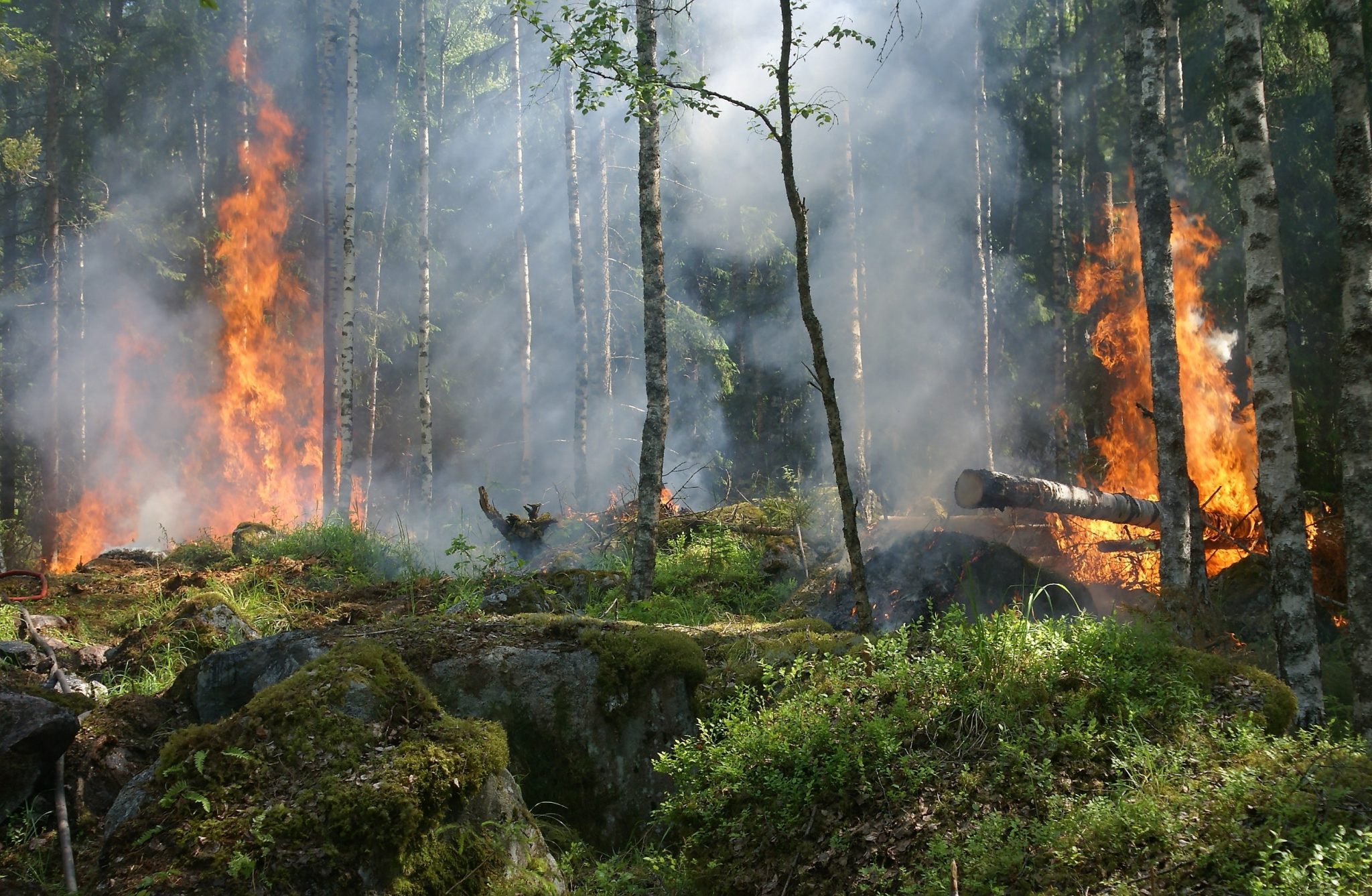
The threat of wildfires is real. Dry conditions at various times of the year and in various parts of the United States greatly increase the potential for wildfires.

Advance planning and knowing how to protect buildings in these areas can lessen the devastation of a wildfire. There are several safety precautions that you can take to reduce the risk of fire losses. Protecting your home from wildfire is your responsibility. To reduce the risk, you’ll need to consider the fire resistance of your home, the topography of your property and the nature of the vegetation close by.

Specific information on what to do Before, During and After a Wildfire can be found at: www.ready.gov/wildfires.


Tornado


Tornadoes are nature’s most violent storms. Spawned from powerful thunderstorms, tornadoes can cause fatalities and devastate a neighborhood in seconds. A tornado appears as a rotating, funnel-shaped cloud that extends from a thunderstorm to the ground with whirling winds that can reach 300 miles per hour. Damage paths can be in excess of one mile wide and 50 miles long. Some tornadoes are clearly visible, while rain or nearby low-hanging clouds obscure others. Occasionally, tornadoes develop so rapidly that little, if any, advance warning is possible. Before a tornado hits, the wind may die down and the air may become very still. A cloud of debris can mark the location of a tornado even if a funnel is not visible. Tornadoes generally occur near the trailing edge of a thunderstorm. It is not uncommon to see clear, sunlit skies behind a tornado.

Specific information on what to do before, during and after a tornado can be found at: www.ready.gov/tornadoes.

Know Your Tornado Terms

Familiarize yourself with these terms to help identify a tornado hazard:

Tornado Watch
A Tornado Watch means that tornadoes are possible. Remain alert for approaching storms. Watch the sky and stay tuned to NOAA Weather Radio, commercial radio, or television for information.

Tornado Warning
A Tornado Warning means that a tornado has been sighted or indicated by weather radar. Take shelter immediately.


Thunderstorms and Lightning

Photo by Johannes Plenio: https://www.pexels.com/photo/lightning-during-nighttime-1118869/

All thunderstorms are dangerous. Every thunderstorm produces lightning. Lightning is one of the top three storm-related killers in the United States.

Facts About Thunderstorms

  • They may occur individually, in clusters, or in lines.
  • Some of the most severe occur when a single thunderstorm affects one location for an extended time.
  • Thunderstorms typically produce heavy rain for a brief period, anywhere from 30 minutes to an hour.
  • Warm, humid conditions are highly favorable for thunderstorm development.
  • About 10 percent of thunderstorms are classified as severe—one that produces hail at least three-quarters of an inch in diameter, has winds of 58 miles per hour or higher, or produces a tornado.

Facts About Lightning

  • Lightning’s unpredictability increases the risk to individuals and property.
  • Lightning often strikes outside of heavy rain and may occur as far as 10 miles away from any rainfall.
  • “Heat lightning” is actually lightning from a thunderstorm too far away for thunder to be heard. However, the storm may be moving in your direction!
  • Most lightning deaths and injuries occur when people are caught outdoors in the summer months during the afternoon and evening.
  • Lightning strike victims carry no electrical charge and should be attended to immediately.

Specific information on what to do Before, During and After a Thunderstorm and Lightning Strike can be found at: www.ready.gov/thunderstorms-lightning.


Terrorism


Throughout human history, there have been many threats to the security of nations. These threats have brought about large-scale losses of life, the destruction of property, widespread illness and injury, the displacement of large numbers of people and devastating economic loss.

Recent technological advances and ongoing political unrest are components of the increased risk to national security.

Learn what actions to include in your family disaster plan to prepare for and respond to terrorist threats.

https://www.ready.gov/public-spaces


Suspicious Packages and Letters

Be wary of suspicious packages and letters. They can contain explosives, chemical or biological agents. Be particularly cautious at your place of employment.

Some typical characteristics postal inspectors have detected over the years, which should trigger suspicion, include parcels that:

  • Are unexpected or from someone unfamiliar to you.
  • Have no return address, or have one that can’t be verified as legitimate.
  • Have protruding wires or aluminum foil, strange odors, or stains.
  • Show a city or state in the postmark that doesn’t match the return address.
  • Are of unusual weight given their size, or are lopsided or oddly shaped.
  • Are marked with threatening language.
  • Have inappropriate or unusual labeling.
  • Have excessive postage or packaging material, such as masking tape and string.
  • Have misspellings of common words.
  • Are not addressed to a specific person.
  • Have hand-written or poorly typed addresses

With suspicious envelopes and packages other than those that might contain explosives, take these additional steps against possible biological and chemical agents.

  • Refrain from eating or drinking in a designated mail handling area.
  • Place suspicious envelopes or packages in a plastic bag or some other type of container to prevent leakage of contents. Never sniff or smell suspect mail.
  • If you do not have a container, then cover the envelope or package with anything available (e.g., clothing, paper, trash can, etc.) and do not remove the cover.
  • Leave the room and close the door, or section off the area to prevent others from entering.
  • Wash your hands with soap and water to prevent spreading any powder to your face.
  • If you are at work, report the incident to your building security official or an available supervisor, who should notify police and other authorities without delay.
  • List all people who were in the room or area when this suspicious letter or package was recognized. Give a copy of this list to both the local public health authorities and law enforcement officials for follow-up investigations and advice.