Yearly Archives: 2024


Drought

Nearly every part of the U.S. experiences periods of reduced rainfall. Planning in advance for a drought can protect us in dry years.

Before a Drought

The best way to prepare for a drought is to conserve water. Make conserving water a part of your daily life.

Indoor Water Conservation Tips Before a Drought
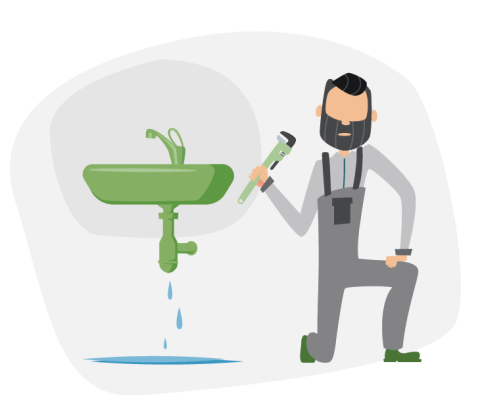
a man fixing a leaking sink pipe

GENERAL

  • Never pour water down the drain when there may be another use for it. For example, use it to water your indoor plants or garden.
  • Fix dripping faucets by replacing washers. One drop per second wastes 2,700 gallons of water a year.
  • Check all plumbing for leaks and have any leaks repaired by a plumber.
  • Retrofit all household faucets by installing aerators with flow restrictors.
  • Install an instant hot water heater on your sink.
  • Insulate your water pipes to reduce heat loss and prevent them from breaking.
  • Install a water-softening system only when the minerals in the water would damage your pipes. Turn the softener off while on vacation.
  • Choose appliances that are more energy and water efficient.

BATHROOM

  • Consider purchasing a low-volume toilet that uses less than half the water of older models.
  • Install a toilet displacement device to cut down on the amount of water needed to flush. Place a one-gallon plastic jug of water into the tank to displace toilet flow. Make sure it does not interfere with the operating parts.
  • Replace your showerhead with an ultra-low-flow version.

KITCHEN

  • Instead of using the garbage disposal, throw food in the garbage or start a compost pile to dispose it.

Outdoor Water Conservation Tips Before a Drought
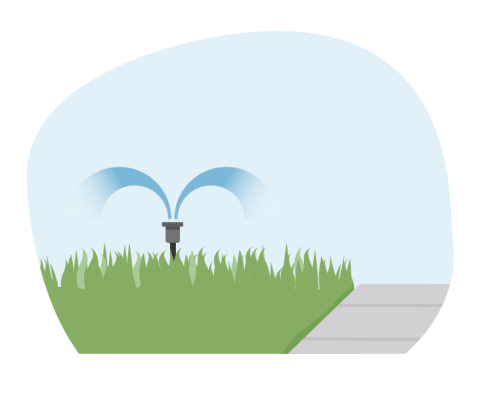
Illustration of a sprinkler spraying water on grass

GENERAL

  • If you have a well pump, check it periodically. If the automatic pump turns on and off while water is not being used, you have a leak.
  • Plant native and/or drought-tolerant grasses, ground covers, shrubs and trees. Once established, your plants won’t need as much watering. Group plants together based on similar water needs.
  • Don’t install ornamental water features (such as fountains) unless they use re-circulated water.
  • Consider rainwater harvesting where practical.
  • Contact your local water provider for information and assistance.

LAWN CARE

  • Position sprinklers so water lands on the lawn and shrubs and not on paved areas.
  • Repair sprinklers that spray a fine mist.
  • Check sprinkler systems and timing devices regularly to be sure they operate properly.
  • Raise the lawn mower blade to at least three inches or to its highest level. A higher cut encourages grass roots to grow deeper and holds soil moisture.
  • Plant drought-resistant lawn seed. Reduce or eliminate lawn areas that are not used frequently.
  • Don’t over-fertilize your lawn. Applying fertilizer increases the need for water. Apply fertilizers that contain slow-release, water-insoluble forms of nitrogen.
  • Choose a water-efficient irrigation system such as drip irrigation for your trees, shrubs and flowers.
  • Water manually in fall and winter only if needed.
  • Use mulch around trees and plants to retain moisture in the soil. Mulch also helps control weeds that compete with plants for water.
  • Invest in a weather-based irrigation controller—or a smart controller. These devices will automatically adjust the watering time and frequency based on soil moisture, rain, wind, and evaporation and transpiration rates. Check with your local water agency to see if there is a rebate available for the purchase of a smart controller.

POOL

  • Install a water-saving pool filter. A single back flushing with a traditional filter uses 180 to 250 gallons of water.
  • Cover pools and spas to reduce water evaporation.

During a Drought

Always observe state and local restrictions on water use during a drought. Contact your state or local government for current information and suggestions.

Indoor Water Conservation Tips During a Drought
Illustration of a shower and a stop watch

BATHROOM

  • Avoid flushing the toilet unnecessarily. Dispose of tissues, insects and other similar waste in the trash rather than the toilet.
  • Take short showers instead of baths. Turn on the water only to get wet and lather and then again to rinse off.
  • Avoid letting the water run while brushing your teeth, washing your face or shaving.

LAUNDRY

  • Operate clothes washers only when they are fully loaded or set the water level for the size of your load.

KITCHEN

  • Operate automatic dishwashers only when they are fully loaded. Use the “light wash” feature to use less water.
  • Hand wash dishes by filling two containers—one with soapy water and the other with rinse water containing a small amount of chlorine bleach.
  • Clean vegetables in a pan filled with water rather than running water from the tap.
  • Avoid wasting water waiting for it to get hot. Capture it for other uses such as plant watering or heat it on the stove or in a microwave.
  • Don’t rinse dishes before placing them in the dishwasher, just remove large particles of food.
  • Avoid using running water to thaw meat or other frozen foods. Defrost food overnight in the refrigerator or use the defrost setting on your microwave.

Outdoor Water Conservation Tips During a Drought

hand using a screwdriver to check water levels

LAWN CARE

  • A heavy rain eliminates the need for watering for up to two weeks. Most of the year, lawns only need one inch of water per week.
  • Check the soil moisture levels with a soil probe, spade or large screwdriver. You don’t need to water if the soil is still moist. If your grass springs back when you step on it, it doesn’t need water yet.
  • If your lawn does require watering, do so early in the morning or later in the evening, when temperatures are cooler.
  • Water in several short sessions rather than one long one, in order for your lawn to better absorb moisture and avoid runoff.
  • Use a broom or blower instead of a hose to clean leaves and other debris from your driveway or sidewalk.
  • Avoid leaving sprinklers or hoses unattended. A garden hose can pour out 600 gallons or more in only a few hours.
  • In extreme drought, allow lawns to die in favor of preserving trees and large shrubs.

CAR WASHING

  • Use a commercial car wash that recycles water.
  • If you wash your own car, use a shut-off nozzle that can be adjusted down to a fine spray on your hose.

Associated Content


Cybersecurity

Cyberattacks are malicious attempts to access or damage a computer or network system. Cyberattacks can lead to the loss of money or the theft of personal, financial and medical information. These attacks can damage your reputation and safety.

Cybersecurity involves preventing, detecting and responding to those cyberattacks that can have wide-ranging effects on individuals, organizations, the community and the nation.

feature_mini img

Cyberattacks can occur in many ways, including:

  • Accessing your personal computers, mobile phones, gaming systems and other internet- and Bluetooth-connected devices.
  • Damaging your financial security, including identity theft.
  • Blocking your access or deleting your personal information and accounts.
  • Complicating your employment or business services.
  • Impacting transportation and the power grid.

Protect Yourself Against Cyberattacks

feature_mini img

You can avoid cyber risks by taking steps in advance:

Image

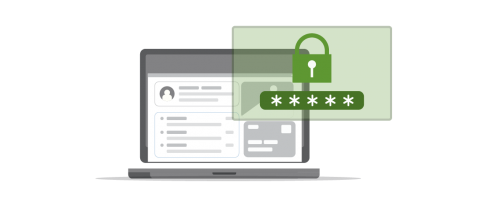
An illustration of a computer with a password lock
  • Limit the personal information you share online. Change privacy settings and do not use location features.
  • Keep software applications and operating systems up-to-date.
  • Create strong passwords by using upper and lower case letters, numbers and special characters. Use a password manager and two methods of verification.
  • Watch for suspicious activity that asks you to do something right away, offers something that sounds too good to be true, or needs your personal information. Think before you click. When in doubt, do NOT click.
  • Protect your home and/or business using a secure Internet connection and Wi-Fi network, and change passwords regularly.
  • Don’t share PINs or passwords. Use devices that use biometric scans when possible (e.g. fingerprint scanner or facial recognition).
  • Check your account statements and credit reports regularly.
  • Be cautious about sharing personal financial information, such as your bank account number, Social Security number or credit card number. Only share personal information on secure sites that begin with https://. Do not use sites with invalid certificates. Use a Virtual Private Network (VPN) that creates a more secure connection.
  • Use antivirus and anti-malware solutions, and firewalls to block threats.
  • Back up your files regularly in an encrypted file or encrypted file storage device.
  • Do not click on links in texts or emails from people you don’t know. Scammers can create fake links to websites.
  • Remember that the government will not call, text or contact you via social media about owing money.
  • Keep in mind that scammers may try to take advantage of financial fears by calling with work-from-home-opportunities, debt consolidation offers and student loan repayment plans.

During a Cyberattack

  • Check your credit card and bank statements for unrecognizable charges.
  • Check your credit reports for any new accounts or loans you didn’t open.
  • Be alert for emails and social media users that ask for private information.
  • If you notice strange activity, limit the damage by changing all of your internet account passwords immediately.
  • Consider turning off the device that has been affected. Take it to a professional to scan for potential viruses and remove any that they find. Remember: A company will not call you and ask for control of your computer to fix it. This is a common scam.
  • Let work, school or other system owners know what happened.
  • Run a security scan on your device to make sure your system is not infected or acting more slowly or inefficiently.
  • If you find a problem, disconnect your device from the Internet and perform a full system restore.

After a Cyberattack

feature_mini img

Let the proper federal, state and local authorities know if you believe you have been a victim of a cyberattack.

  • Contact banks, credit card companies and other financial services companies where you hold accounts. You may need to place holds on accounts that have been attacked. Close any unauthorized credit or charge accounts. Report that someone may be using your identity.
  • File a report with the Office of the Inspector General (OIG) if you think someone is using your Social Security number illegally.
  • File a complaint with the FBI Internet Crime Complaint Center (IC3). They will review the complaint and refer it to the appropriate agency.
  • File a report with the local police so there is an official record of the incident.
  • Report identity theft to the Federal Trade Commission.
  • Contact the Federal Trade Commission (FTC) at ftc.gov/complaint if you receive messages from anyone claiming to be a government agent.
  • Contact additional agencies depending on what information was stolen. Examples include contacting:
    • The Social Security Administration (800-269- 0271) if your Social Security number was compromised, or
    • The Department of Motor Vehicles if your driver’s license or car registration has been stolen.
  • Report online crime or fraud to your local United States Secret Service (USSS) Electronic Crimes Task Force or the Internet Crime Complaint Center.

Additional Resources


Pets and Animals


Your pets are an important member of your family, so they need to be included in your family’s emergency plan. To prepare for the unexpected follow these tips with your pets in mind:

  1. Make a plan.
  2. Build an emergency kit.
  3. Stay informed.

Make a Plan

If you have a plan in place for you and your pets, you will likely encounter less difficulty, stress and worry when you need to make a decision during an emergency. If local officials ask you to evacuate, that means your pet should evacuate too. If you leave your pets behind, they may end up lost, injured or worse.

Things to include in your plan:

  • Have an evacuation plan for your pet. Many public shelters and hotels do not allow pets inside. Know a safe place where you can take your pets before disasters and emergencies happen.
  • Develop a buddy system. Plan with neighbors, friends or relatives to make sure that someone is available to care for or evacuate your pets if you are unable to do so.
  • Have your pet microchipped. Make sure to keep your address and phone number up-to-date and include contact information for an emergency contact outside of your immediate area.
  • Contact your local emergency management office, animal shelter or animal control office to get additional advice and information if you’re unsure how to care for your pet in case of an emergency.

Build a Kit for Your Pet

Just as you do with your family’s emergency supply kit, think first about the basics for survival, such as food and water. Have two kits, one larger kit if you are sheltering in place and one lightweight version for if you need to evacuate.  Review your kits regularly to ensure that their contents, especially foods and medicines, are fresh.

Here are some items you may want to include in an emergency kit for your pet:

Image

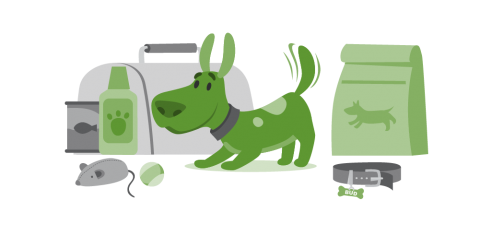
illustration of a dog and an emergency supply kit for pets, which includes food, toys, medicine, food and a collar with a tag.
  • Food. Keep several days’ supply of food in an airtight, waterproof container.
  • Water. Store a water bowl and several days’ supply of water.
  • Medicine. Keep an extra supply of the medicine your pet takes on a regular basis in a waterproof container.
  • First aid kit. Talk to your veterinarian about what is most appropriate for your pet’s emergency medical needs.
  • Collar with ID tag and a harness or leash. Include a backup leash, collar and ID tag. Have copies of your pet’s registration information and other relevant documents in a waterproof container and available electronically.
  • Traveling bag, crate or sturdy carrier, ideally one for each pet.
  • Grooming items. Pet shampoo, conditioner and other items, in case your pet needs some cleaning up.
  • Sanitation needs. Include pet litter and litter box (if appropriate), newspapers, paper towels, plastic trash bags and household chlorine bleach to provide for your pet’s sanitation needs.
  • A picture of you and your pet together. If you become separated from your pet during an emergency, a picture of you and your pet together will help you document ownership and allow others to assist you in identifying your pet.
  • Familiar items. Put favorite toys, treats or bedding in your kit. Familiar items can help reduce stress for your pet.

Tips for Large Animals

If you have pets such as horses, goats or pigs on your property, be sure to prepare before a disaster.

In addition to the tips above:

  • Ensure all animals have some form of identification.
  • Evacuate animals earlier, whenever possible. Map out primary and secondary routes in advance.
  • Make available vehicles and trailers needed for transporting and supporting each type of animal. Also make available experienced handlers and drivers.
  • Ensure destinations have food, water, veterinary care and handling equipment.
  • If evacuation is not possible, animal owners must decide whether to move large animals to a barn or turn them loose outside.

Stay Informed

Being prepared and staying informed of current conditions. Here are some ways you can stay informed:

  • Pay attention to wireless emergency alerts for local alerts and warnings sent by state and local public safety officials.
  • Listen to local officials when told to evacuate or shelter in place.
  • Download the FEMA app and get weather alerts from the National Weather Service, for up to five different locations anywhere in the United States.
  • Always bring pets indoors at the first sign or warning of a storm or disaster.

People with Disabilities


Disability intersects every demographic group—there are people with disabilities of all ages, races, genders or national origin. And, disabilities can impact a person in a variety of ways—both visible and invisible. For people with disabilities and their families, it is important to consider individual circumstances and needs to effectively prepare for emergencies and disasters. 

Build a Kit

In addition to having your basic survival supplies, an emergency kit should have items to meet your individual needs in various emergencies. Consider the items you use every day and which ones you may need to add to your kit.

Tips for Medications

  • Talk to your doctor or pharmacist about how you can create an emergency supply of medicines.
  • Keep a list of your prescription medicines. Include information about your diagnosis, dosage, frequency, medical supply needs and allergies.
  • Store extra nonprescription drugs, like pain and fever relievers, antihistamines and antidiarrheal medicines.
  • Have a cooler and chemical ice packs available to chill medicines that need to be refrigerated.

Tips for People Who are Deaf or Hard of Hearing

  • Weather radio (with text display and a flashing alert)
  • Extra hearing-aid batteries
  • Pen and paper (in case you have to communicate with someone who does not know sign language)
  • Battery operated lantern to enable communication by sign language or lip reading, especially when the electricity is out and it’s dark.

Tips for People Who are Blind or Have Low Vision

  • Mark emergency supplies with Braille labels or large print. Keep a list of your emergency supplies and where you bought them on a portable flash drive or make an audio file that is kept in a safe place where you can access it.
  • Keep communication devices for your particular needs, such as a Braille or deaf-blind communications device as part of your emergency supply kit.

Tips for People with Speech Disability

  • If you use an augmentative communications device or other assistive technologies plan how you will evacuate with the devices or how you will replace equipment if it is lost or destroyed. Keep model information and note where the equipment came from (Medicaid, Medicare, private insurance, etc.).
  • Plan how you will communicate with others if your equipment is not working, including laminated cards with phrases and/or pictogram.

Individuals with Intellectual or Developmental Disabilities

  • Keep handheld electronic devices charged and loaded with videos and activities.
  • Purchase spare chargers for electronic devices and keep them charged.
  • Include sheets and twine or a small pop-up tent (to decrease visual stimulation in a busy room or to provide instant privacy).
  • Consider a pair of noise-canceling headphones to decrease auditory stimuli.
  • Have comfort snacks available.

Tips for People with a Mobility Disability

  • If you use a power wheelchair have a lightweight manual chair available as a backup if possible.
  • Show others how to assemble, disassemble and operate your wheelchair.
  • Purchase an extra battery for a power wheelchair or other battery-operated medical or assistive technology devices. If you can’t purchase an extra battery, find out what agencies, organizations or local charitable groups can help you buy one. Keep extra batteries charged at all times.
  • Consider keeping a patch kit or can of sealant for flat tires and/or extra inner tube if wheelchair or scooter is not puncture proof.
  • Keep an extra mobility device such as a cane or walker if you use one.
  • Keep a portable air pump for wheelchair tires.
  • If you use a seat cushion to protect your skin or maintain your balance and you must evacuate, consider keeping an extra cushion on hand.
  • Communicate with neighbors who can assist you if you need to evacuate the building.

Tips for Individuals with Alzheimer’s and Related Dementia

  • Do not leave the person alone. Even those who aren’t prone to wandering away may do so in unfamiliar environments or situations.
  • If evacuating, help manage the change in environment by bringing a pillow and blanket or other comforting items they can hold onto.
  • When at a shelter, try to stay away from exits and choose a quiet corner.
  • If there is an episode of agitation, respond to the emotions being expressed. For example, say “You’re frightened and want to go home. It’s ok. I’m right here with you.”

Additional Items

  • Several days supply of prescription medicines
  • A list of all medications, dosage and any allergies
  • Extra eyeglasses, contacts, hearing aids and batteries
  • A backup supply of oxygen
  • A list of the style and serial number of medical devices (include special instructions for operating your equipment if needed)
  • Copies of insurance and Medicare cards
  • Contact information for doctors, relatives or friends who should be notified if you are hurt
  • Pet food, extra water, collar with ID tag, medical records and other supplies for your service or support animal

People Experiencing Extreme Heat

People with disabilities, access and functional needs, and older adults may be at increased risk to extreme heat. For example:

  • People with spinal cord injuries are at higher risk during extreme heat because they may not be able to cool their body through sweating.
  • People with severe mental health conditions, including schizophrenia, are at risk because their medications may interfere with the body’s ability to cool itself.
  • People with cognitive, intellectual or developmental disabilities, including Alzheimer’s disease and dementia, are at risk because they may have trouble understanding and explaining how the heat affects them. This could prevent them from taking protective actions. It’s important to know that a person’s ability to perceive and communicate physical discomfort may vary with the stage of dementia or disease.

It is important to plan ahead, take precautions, have support, and be aware of the symptoms of heat exposure. Keep these tips in mind during extreme heat:

  • If you have a support network – caregivers, family and friends – ask them to help monitor and address your heat-related needs; have them check in with you regularly to ensure you are safe and healthy.
  • Read the side effects of medications and talk with your doctor about how heat exposure will interact with them.
  • Take a cool shower, bath or sponge bath to cool the body if you are experiencing heat exhaustion or heat stroke.
  • Ask your local energy utility for priority access in the event of power loss because power restoration is life-sustaining for someone in the home.
  • Monitor your local weather and emergency information alerts.
  • Have a plan that includes shade, hydration, sun protection, and limiting exposure time if you’re going to be outdoors.
  • Identify cooling shelters, possible locations with air-conditioning or contact cooling centers to ensure needed accommodations ahead of time. This could include someone in your support network with air conditioning.
  • Coordinate accessible transportation to/from cooling locations.
  • People with medical needs who can’t be accommodated at conventional cooling shelters may have to contact local hospitals or nursing homes to create contingency plans if they can’t stay at home.